
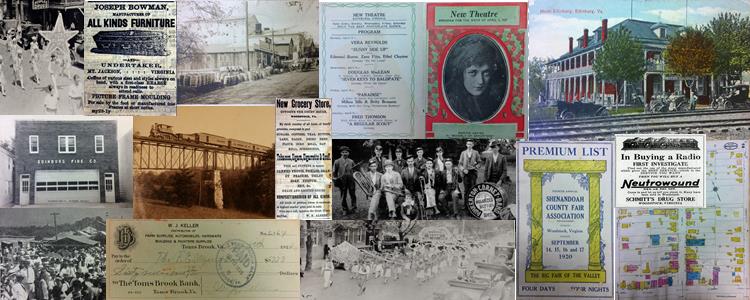
File #4272: "Transcription"
Title
Transcription
Text
Transcript of interview
Dillon Broadwell
Interviewer: And that works. So, I guess for continuity, can we just have your name
and, you know, where you are from?
Shamburg: Donal Gustenian Shamburg.
Interviewer: And you were born in?
Shamburg: I was born on the Supinlick Ridge west of Mount Jackson.
Interviewer: Ok, Ok. Can you talk to us a little about your childhood and what you
remember about it?
Shamburg: Yeah I can talk about that. Uh, when I was a boy at school age… and this
will tell you how old I am. I walked to school. About a mile in a one room school
house with all the grades but just about one child or two in each grade. The school
house is still standing there. Yeah.
Interviewer: Growing up in a school like I guess you got to know the kids in your
grade.
Shamburg: I knew every one of them
Interviewer: You knew everyone one of them? Where you ever any good friends
with any of them?
Shamburg: Yes good friends and the first thing that we learned when we started the
school was the multiplication tables. And that is something you will use the rest of
your life. Yeah.
Interviewer: Did any of the teachers really stick out to you as role models or
anything like that? The teachers in the school house?
Shamburg: Do what now?
Interviewer: Did any of the teachers in the schoolhouse stick out to you? Where
there any you really remember or?
Shamburg: Well yes. Alright. Our one teacher that come to school early in the
morning before the children to make fire her name was Mrs. Good. And course had
this big round stove. And she went to go make fire in the stove. What she threw in
there caused it to explode and come out on her and that kill her. Our school teacher.
That is the one instance yes.
Interviewer: What happened after that?
Transcript of interview
Dillon Broadwell
Shamburg: Well the superintendent in school would come to the schoolhouses
years ago. Now they send somebody else. They would come and we’d would see him
coming up the lane and everybody got real quiet, yeah. “ Superintendent’s coming!”
“Superintendent coming!” “ Here he comes!” So we watched that very closely.
Interviewer: From the article that we were given it said you grew up on Bird
Haven or in the area.
Shamburg: Alright. I was more towards the town of mount Jackson
Interviewer: Ok, ok. Can you describe Mount Jackson a little bit and what you
remember from your childhood?
Shamburg: Well it had one theatre. Now all the movies was about cowboys. You
can’t even get that on television no more. But uh, then…. I’ll tell you the story about
the poor lady who walking down the boardwalk. They had a boardwalk. And she fell
down. And the lady got up, he laughed at her. And you know what she told him? She
says, “What I see of you, mister, you’re no gentleman.” And what he told her “ What I
seen of you your no gentleman either.” (laughs)
Interviewer: So that was something you saw walking down in Mount Jackson?
Shamburg: No I didn’t.
Interviewer: From what the articles that we were given it said that your mother
worked at Bird Haven. Can you talk a little about that?
Shamburg: She worked some at Bird Haven but she worked more in Shenandoah
Valley Spring Hotel, which was just a little ways up and she worked there. Because a
lot of people from the city came back there in the summer cause it was cooler back
there. And they had their own milk cows. They milked them cows and fed that to the
people who’d come from the city. Yeah. And my mother worked there a lot. Now we
would ride from where we lived at Mccainy back with the lady that worked in Post
Office. Yeah Mcrider was her name. But anyhow, then we’d, well the first thing they
started making a Bird Haven were toys out of wood. Wooden toys. And sales of them
kinda got down then they started making furniture. Little stools and all that kinda
stuff. Out of the lumber back there. Yeah. Got dry and then they’d get it in there. And
if I remember right it was probably, maybe half a dozen or so men there working
there and she worked there some. But most of the time she went up to the hotel.
Because the lady that run the hotel is some relations to us. Years ago 3 men come
there. One was Joseph Lonas, and the other bother was Jim Lonas and my great
grandfather was Sam Lonas. Ok. The one became undertaker and I think this
lady’s…I ain’t got it figured out exactly what relations this lady is got but I’m gonna
find out if she comes around here today, but any how. The next one up was Jim
Lonas and he had a store across the road. That’s when you got bananas off of a great
Transcript of interview
Dillon Broadwell
big long thing and then you cut off a bananer so in the store. Can’t imagine that now.
And the next one up was my great grandfather Sam Lonas and he was a life stock
dealer. So he would hock his horse. All these stories I’m telling you is not when they
had automobiles a’buzzin up and down the road but everything was horse business.
But he’d hook his horse up to his wagon and take a dog along with him and go cross
to Mathias, West Virginia and he would buy a couple head of cattle or maybe a
couple turkeys that was good and bring them over to Mount Hermon there. Yeah.
That was his business. Yeah.
Interviewer: Do you remember anything about Bird Haven? Where you allowed on
the premises?
Shamburg: Well, since I was small like I say I would go in there but there was one
family, Arb was his name and he lived there at bird haven in a house him and his
wife. Of course he was kinda the head of the woodwork business too.
Interviewer: Can you describe that house a little bit? Do you remember anything
about it?
Shamburg: No it was just a plain house there. There was nothing modern or
anything. Them days you didn’t have a lot of electric in your homes.
Interviewer: Did your mother make any friends with anyone there?
Shamburg: We were all friends. All friends cause there wasn’t too many there and
they all come from around. Yeah. One women that worked there at the hotel, Sally
Delootter was her name and she lived way up on the North Mountain but she would
come down there worked at the hotel. She had a couple boys and one of them is still
living. They’re Delootters Yeah. Of course I would meet with them, you know. Yeah.
Interviewer: So you would meet up with them and… What would you do?
Shamburg: Play. Play, play ball or anything simple.
Interviewer: Baseball? Anything that you?
Shamburg: No, that wouldn’t… but I have to tell you this story about the cows. They
had nice Jersey cows there and they had a calf. So they didn’t want the calf so I
bought the calf off what couple dollars I had, I think it was five dollars to give for the
calf. And I kept that calf for a cow. Growed her up. And I still grow cows.
Interviewer: When did you first buy that cow? When was that? Do you remember?
Transcript of interview
Dillon Broadwell
Shamburg: Uh no, just when I was a little boy or so I’d say, its about… I have this
fear of my age now. How old am I? Will you tell me? Make a guess! You think I’m
sixty years old yet? ( winks) (points) how about you?
Interviewer: I think the paper said 88.
Shamburg: (laughs) yeah that’s exactly. Yeah.
Interviewer: So that was a while ago. Why did you become interested in farming?
Shamburg: Wasn’t nothing else to do. You had a little land and you’d begin to farm.
The first thing I raised were turkeys from the neighbor back there. He had a chicken
house and he started the turkey and he brought the rest of them over and then I
finished them out on range. Then they stopped that now. That is how I used to raise
all my turkeys outside. And now they put big buildings up and they’re not ranging
them outside. But they would get real pretty out their heads would get real red you
know and all. That’s is how I raised 6 kids. Yes. I had 4 girls and 2 boys. And the
worst thing that happened in my life is when my wife died. Yeah. That was 6 years
ago. The next thing happened: a tornado comes through my farm and torn 400-foot
chicken house all to pieces. That was in 2011. But have all my family lives within
sight of where we live. My son lives with me and he farms and my other son lives
within sight and he farms. Yeah. We keep beef cattle now.
Interviewer: When did you start just focusing on cattle?
Shamburg: Why did I?
Interviewer: No, When. When or why.
Shamburg: Well, you could start with cows in a small way. As they produced you
could keep their offspring and that would increase your heard. And the males why
we’d send them to the market for other people to buy to put them into feed lots to
feed them, as they do today. Yeah.
Interviewer: I guess since you mentioned your wife when did you meet her?
Shamburg: She what?
Interviewer: When did you meet your wife?
Shamburg: I met her… I’ll tell you when I got married: 1958. But I had met her
before because she lived up from Birdton on the Branch Mountain. And people
would find out about them up there and they’d go up there and get a girl to come
and take care of their children while they done other thing. So that is what she did.
And her sister moved down real close to where we lived to take care of some boy
Transcript of interview
Dillon Broadwell
that their daddy and mother worked at Rockingham Poultry. So she came down
there. Course I went over because I wanted to meet her or just met her and it went
on from then. Yep.
Interviewer: So you married her in 1958. What happened in the mean time with
getting to know each other? Was it a long game or how did it go?
Shamburg Well wasn’t anything to do back then but the movies and a lot of the
homes in that area didn’t have current. And up at my grandfathers home they had a
lot of children, his son did, but they had a building they made a building there and
they put sawdust in there. Then they’d go to the back in the winter at Basey, Stoney
Creek, and cut ice off that creek, haul it up there and put it in that saw dust and
cover it all up in the building and that is where they got their drinking water. Cooled
awhile, through the summer next. And it stayed in there a long time too.
Interviewer: Was that popular way to do it? To get drinking water during the
summer?
Shamburg Well if you didn’t have no electric. But the next thing come, and I for
worked the man up there in Mount Jackson. They had an icehouse there. They’d get
these big chunks of ice and set them on a truck and cover them up and then go on
out the road and they give each one of them to families there a sign that they’d put
up on the window that said 25, 50, 75. So you’d take the ice pick and go down there
chip off so much about 25, carry it into the house, put it in their little thing in the
house to hold ice.
Interviewer: They had a thing in house to hold the ice not in the back? How would
that work?
Shamburg: They’d just set the ice in it. Cause they’d know how much they need to
use until the next time you come out the road.
Interviewer: To go back to Bird Haven, I guess, the toys and everything that they
made, do you remember anything about those or how they were built?
Shamburg: Well yeah they made kinda nice little toys. Always pretty small, you
know. And then when the sales come down then they began to make stools and all
kinda different thing put in the house to use in the house. So that’s is the main thing
I remember.
Interviewer: Ok.
Shamburg: Now you want me to do you what to tell you about my first car?
Interviewer: Absolutely. Yes
Transcript of interview
Dillon Broadwell
Shamburg: You want to hear about that? Think I ought to tell him that story?
Shamburg’s daughter (Alessia): No.
Shamburg: Oh yeah I’m gonna tell it. Yeah. Cause I’m not ashamed of it. My first car
was a 31 Model A ford. And it was second hand, I give 125 dollars for it. And I used it
for a while. My grandmother and I would go to see our my relatives from down in
Martinsburg cross to Matthias and she would sit in there and I’d go down the road
and that boy that old thing was a roaring gemny-wiz cause I wanted to go over and
I’d give her hell and the old thing roared but about 60 was it. Yeah. But then… now
this never happen but I teased the girls about that. You see it had this big gearshift
up in the middle. And I’d tease these girls about that. I’d say “ You know, you want
to ride on my car?” And I’d go up them old hills you know and it didn’t want to pull.
And I’d pull that thing back in low gear and the hand would slip off that gearshift.
Cause you sitting beside of me. You got that didn’t you? Yeah. I thought there would
be some girls, sure, who would want to ride in my car! (laughs). Alright, next
question
Interviewer: So who did you live with growing up? You mentioned your
grandmother did she live near you and your mother or?
Shamburg: Yeah. I often wondered… but anyhow I’m gonna tell you the story about
the three men, the Lonas men. And where they come from I have no idea. But they
got a certain amount of land. Each one got a big area of land. And they didn’t have
the money to pay for it I know so I reckon they granted them that. Each one and
they all build houses on that same road on the land that they got. Yeah, ok. And my
grandfather and another fellow by the name of Mr. Will Hepbern decided they had
to have some more income. So they decided they were going to walk back to West
Virginia in the coalmine country. So they started a’walkin. Can you image starting to
walk way back in there. Buckhannon, West Virginia: that is wear they landed. They
dug coal a little awhile and said to the heck I cant take that so they just done other
things for awhile. But they met four girls. And their last names were Fallons from
Buckhannon, West Virginia. Well, when they come home then these four girls come
home (with them). One of the girl’s boyfriend had an old car and they must of come
home in that car. So my grandfather married one and Mr. Hepbern married the
other. And they all lived there then. They’re all dead now. They are buried at Mount
Herman church.
Interviewer: So when your mother was born did she stay in that area right beside
them? What did she do?
Shamburg: Well yeah. At McCainy my grandfather, David Shamburg, he built a little
store there in McCainy and big house on the other side of the road. And that little ol’
Transcript of interview
Dillon Broadwell
store is still standing there. Cause I use to go there and kinda hug him up a little and
get a piece of candy. Do you want a piece of candy?
Interviewer: I’m good right now.
Alessia Shamburg: Tell them about you growing up, you and your grandma and
your dad died.
Interviewer: Yeah. What was the name of the store?
Shamburg: It was just McCainy. (slides candy across table) Ok. Yeah it was just a
county store, you know, and all. The mail carrier Mr. Will Mumal would go to town
with his truck and bring mail out from Mount Jackson that come on the train or the
bus or anyway they could get the mail to Mount Jackson. They had a train track had
a depot in Mount Jackson and that is where they would get the mail. And he’d carry
it out the road and stop at each little place like McCainy in there and take the sack of
mail in house and they’d open the bag up say” Well, Mr. So-and-So lives here. Well
we take his mail out, take his mail out.” And Mr. Mumal he would bring feed and all
that stuff from Mount Jackson out. And we would catch a ride back out to Basey,
back to Bird Haven.
Interviewer: When did your mother first get the job at Bird Haven?
Shamburg: Well, after my father died. And she… first place she worked was at
Bryce’s because a lot of people would come out of the city to Byrce’s and Orkney
Springs were it was cooler in the summer time and that’s when we would start to go
back to Bird Haven of course. But she also worked at Bryce’s making beds and all
that kinda stuff. For the guest that were coming to spend the weekend back there or
something.
Interviewer: And then she moved on to Bird Haven?
Shamburg: Yeah but she didn’t work long at Bird Haven.
Interviewer: How many years? Do you know?
Shamburg: Of, maybe… It was off and on. It wasn’t like she come there everyday for
weeks and weeks and weeks. She might work there a while and then go to the hotel
or wherever they needed her.
Interviewer: You keep mentioning the hotel. I guess, can you describe that too?
Shamburg: Well it was a big building and it was about 3 floors or 4. And that’s
where they feed e’m, on one floor and of course it had rooms on the other floor.
That’s where my mother worked there doing that kinda work. And Mrs. Fleeta Ross
Transcript of interview
Dillon Broadwell
had to run it and I think that she and this lady here are of some relation. But I’m
gonna find soon as I get to talk to her. Because I knew all the people. I can now
almost name every family from Orkney Springs to Mount Jackson. Now that’s gonna
take awhile but I know there names now.
Interviewer: Did you just get to meet them all?
Shamburg: Well just anything we done we learnt to know the neighbors. A lot of the
neighbors were local names that you could remember. But we had a lot of them
moved into Bryce Mountain and built, comes to our church and they had such
different that its hard to keep the names, it is for me and for other that associate
with them more so yeah. I go to church at Mount Herman United Methodist. It was
United Brother till they merged and its United Methodist now. And I live at within
site, I can walk to church or ride a bicycle, drive a car. Yep. That is how you learn to
know peoples by their familiar name and their relatives.
Interviewer: Did the church play a big part in your younger part of your life?
Shamburg: Well, let me tell you how long I’ve been agoin’ there: 88 years and 9
months. You caught that, didn’t you? Okay. (laughs)
Interviewer: So your mother was a big churchgoer then? She would drag you there
sometimes?
Shamburg: Yep.
Interviewer: So when your mother was switching in-between the hotel and Bird
Haven do you know which job she enjoyed more? Which one she would meet more
people from? Did like anyone from those place come to your house and eat food
with you or eat dinner?
Shamburg: I didn’t quite catch your question.
Interviewer: So your mother would switch in-between working at Bird Haven and
the hotel. Was there a particular one she enjoyed do you know?
Shamburg : Well she liked work at the hotel more. Because she worked there more
and she was familiar with the owners of it. Yeah.
Interviewer: Did you get to meet any of the people she worked with ever?
Shamburg: Oh yeah I’d be there. Course I was outside there at the hotel just doing
odd jobs: pick up the paper and things that need to be done. Because Fleeta told my
mother to bring me along so that I had someone to stay with at the hotel, that is why
I was there.
Transcript of interview
Dillon Broadwell
Interviewer: So if she was ever working at Bird Haven would you go to pick up odd
jobs?
Shamburg: No I wasn’t that old.
Interviewer: Did you ever go onto the premise or did you stay away?
Shamburg: Did I ever do what?
Interviewer: Did you ever go to Bird Haven or did you mostly stay away from it?
Shamburg: Mostly at the hotel, yeah.
Interviewer: Did she ever bring back on the toys or stools or anything like that to
play with?
Shamburg: Oh yeah we meant to bring one along. Stools and different things. They
sanded them down and man they were beautiful stuff. Of course they sold it as they
could get money.
Interviewer: Do you remember when it shut down?
Shamburg : No I don’t recall. I can’t get in my head exactly who bought the toy
factory and he resold it then. Yeah. I might think of that here before I get out of here.
Interviewer: So when that eventually stopped happened did she start solely work
for to the hotel or did she start working on something else?
Shamburg: Mainly that was it.
Interviewer: And then you got your start in farming from getting a small calf from
someone.
Shamburg: Yeah.
Interviewer: As you got older did you eventually kinda move off and start focusing
solely on farm work or did you or anything else?
Shamburg: How about repeating that question.
Interviewer: When you first got into farm work were you doing anything else on
the side? Were you doing any sort of odd jobs or did you see the farming avenue and
went with it?
Transcript of interview
Dillon Broadwell
Shamburg: Well yes. The first thing I raised were turkeys on range that Mr. Fancler
back at Orkney started in his house. And when we sold them they made $1900 and
Mr. Ashby Fancler said “ I’ll give you $1000 and I’ll take the $900”. So that started
me in the turkey business. Yeah. Then after that I built a poultry house of my own
and then it begin to get children and them children helped me inside ‘cause those
that were in the house, we’d take and clip the ends of their peaks off a little so they
couldn’t pick and scratch feed out. And them children just love that job. They just
loved that job. Help debeak them turkeys (Laugh) Didn’t, Alessia? Come on tell it.
Shamburg’s daughter: (laughs) Yeah.
Shamburg: They had to hand them up to me and the wife and we would snip them
off. Well, then we were with working with the next bunch and they sent a couple
Mennonite men down. But they would not drive a car so they had to send a chauffer
to them down there. Then they come and debeak them.
Interviewer: How many children did you have?
Shamburg : Only had six.
Interviewer: How many brothers and sisters did you have?
Shamburg: Just one, just one brother. He is dead now.
Interviewer: Did he also get involved in farm worked?
Shamburg: Basically there what’nt anything much for a young person to do. If any
land came up for sale where I lived for I always tried to buy it cause you could buy it
for about 100 dollars an acre. Well, then another person would die and his land
would come up for sale so hat is how I got it all bunked together. Then the children
they got old and they would begin to get married. They’d give up their Shamburg
name and they went with other names. And I give them a place to build their house
they wanted to build. I said go up there and just take a piece of land and build. Can’t
do that anymore though. Of course they don’t stay at the same place now. Cause
years ago when her husband came down to see her he drove a little Volkswagen
(laughs). Yep.
Interviewer: Go ahead, sorry.
Shamburg: But that must have worked cause they still together and they have two
children. They live within sight of me, right at Mount Herman Church. They all live
right in site. When you get old you start to appreciate that too. They do everything
for me they can do.
Transcript of interview
Dillon Broadwell
Interviewer: Do you have a part of farm work that you really enjoy? That you like
doing?
Shamburg: Well I enjoy raising chickens, all of that. Or turkeys. But then when the
tornado come through it torn these chicken houses all down. But it didn’t tear the
houses up, where they lived. And that evening it was a’storming there. I was out
there outside of my house. So I said “Well it’s just a storm I’ll just go to bed.” Went to
bed and next morning and why my son call me and said “Dad says you better come
up here.” I said “What’s the matter?” He said “Storm tore the chicken house down.”
I said “You mean take the roof off?” He said “Hell no! Tore it all to pieces!” 400-foot
double story chicken houses. Yep
Interviewer: Had there been any other storms earlier in your life that had taken out
things like that or was it a first?
Shamburg That was about it. But every time they talk about a tornado we pay
attention.
Interviewer You mentioned your father earlier can you explain a little about him?
Do you remember him?
Shamburg: Well he had a truck that he could haul lumber or… wasn’t long distance
but the logs and the things like that. He’d go up in the hills there toward Morning
Star and there were some people up there you had to consider. Because a lot of
people went in there selling pots and pans and all that stuff and it was told that
some of them didn’t come out. They killed them up there and got the pots and pans
and stuff. Can you imagine that?
(CAMERA DIES AND INTERVIEW IS RESTARTED)
Interviewer: Alright I believe that works. Ok, we only probably have about 20
minutes. If I can get this situated…. Sorry. Just don’t want to stay… okay, that will…
that will do. Um, since I guess since you were talking about your father when did
your father meet your mother? I don’t think I asked that yet.
Shamburg: Don’t know. I don’t recall exactly when it might have been. Well he died
in 1936 so it must have been in the 20’s, early 20’s along there. Because them days a
lot of their marriages was your neighbor’s daughter. So that’s how that happens.
Interviewer: So you grew up during the depression then?
Shamburg: Yeah.
Interviewer: Did that have any impact on you, growing up, that you know?
Transcript of interview
Dillon Broadwell
Shamburg: No.
Interviewer: Ok. Were you pretty insulated from it or could you tell its affect?
Shamburg: No, I didn’t…. Let’s see. The war. The war started in about 1933. One of
the wars we have: we had so many of them, you know, different places. But I think
about 1933. But I wasn’t… then it went on till about 1940 couple … and different
wars… but that got over with. But I was old enough to be drafted. And since I was in
agriculture my neighbor down there he went down to the draft board and told them
I lived with my mother and that I was in agriculture and so they give me a small
deferment. Then the war ended, yeah.
Interviewer: Did any of your friends go over and fight? Do you know?
Shamburg: Yes. Down there at the community store at Basey their names were
Funkhousers. And Neven Funkhouser, he had a sawmill but then his wife Gladys,
she was a Mumal, but she married Neven and they had a good many children. Some
of those boys was killed over there and never got back. That was one instance. Yep.
Interviewer: So if you go deferred from WWII there was also Korea. Did you get
drafted for Korea?
Shamburg: No, nuh-uh. no. Yep.
Interviewer: I know you didn’t spend a lot of time on Bird Haven, did you know
how WWII and the depression affected those areas? Even the hotel, was there a
distinct impact?
Shamburg: Well since you was young and sometimes we had to walk to work. Back
over the ridge there. We didn’t get to go a lot of other place or do other things. Yeah.
And your age had something to do. Yeah. After I got older then I got into agriculture.
And I’m still in it.
Interviewer: Did you have any other interests? Like an interest on cars or anything
like that? Did you ever work on cars?
Shamburg : Ah any old thing… since my first car was a Model A. Then the next
year… well the Model T was first. You had to crank that to get it started. So a lot of
people, older men, would go to town they’ get all snuttered up on beer and stuff in
Mount Jackson and come out there. This one fellow, Floyd Holman, he pulled his
Model T there in front of the country store and he’d go in there a little bit, he’d come
out and he’d crank that thing, get it going you know. You had to pull the throttle
down and spark up when you cranked it or it would kick you. Anyhow us boys
would chuck the back wheel. Well he would get in that thing and he’d kill it. He done
that about 2 times and he’d get in there and boy he had that Model T wide open just
Transcript of interview
Dillon Broadwell
a hummin’. We just slip that old chuck out behind the back wheel and he jumped
that thing clean out in the middle of the road. That was our fun. That was our fun.
Interviewer: What would you mother or grandmother do for fun? What would they
do outside of work?
Shamburg: Nu-uh. That is mainly all they done…
Interviewer: Sorry, have to think for a second.
Shamburg: Seems to me that in my mind Sam Clark bought Bird Haven one time. I
think his name was Sam Clark. I might be wrong about that.
Interviewer: Who was that?
Shamburg: He bought that and resold it.
Interviewer: Ok, Ok.
Shamburg: So I didn’t, I didn’t know much about Bird Haven.
Interviewer: Have you gone up there recently like any time after it was sold?
Shamburg: Oh yeah well I drove through. See, they started raising hogs back there.
And I’d drive around back there to see these hogs and cattle. They started raising
some cattle and they put a big fence around that whole lot of it back there. Yeah.
And bought more land too. Yeah. For that place back there. I don’t see how it worked
for him because: all woods back there, all woods back in there. But the hotel down
there later on it was own by Fleeta and John Ross and they decided they weren’t
gonna have people no more. So Elmer Delooter started raising chickens in that hotel.
Yeah, raising chickens. And then you could sell them wood to heat the heat for the
little chickens. Yeah, that was one thing that we would do back there.
Interviewer: So they would use the hotel building as like a chicken cope?
Shamburg: Yeah.
Interviewer: So they just didn’t take people any more? Did they gut the placeand
use it as a chicken cope or did they just leave it as it is and just put chickens in
there?
Shamburg: Yeah I rekon I don’t know. They had chickens in there I know.
Interviewer: Wow. After your mother stop working for the hotel. did she just work
for the hotel till she died or did she do anything else?
Transcript of interview
Dillon Broadwell
Shamburg: Well we bought a farm of my grandfather’s sisters farm. Had some land
to it. Of course then that was our job to raise some cattle there and a little corn and
different things. Not a lot of acres but enough that we could survive on. Yeah
Interviewer: So you keep talking about livestock. Was there any other crops you
would do? Corn, wheat?
Shamburg: Mainly corn cause that was your big thing. And you could graze some of
it and use any grasses for hay. Yeah. They made years ago they use to haul and cut
your hay down, put in on a wagon, haul it in the bar, throw it in the bar. That was
taken a lot of labor. Then the next thing that come was a little square baler. Oh that
there is wonderful. Well then you had to get that bailed up and get that in to dry.
Then the next thing come is the round baler. Round rolls. That’s… then you could set
them outside. Of course now a lot of people put’s plapstic around them. You see
them white ones sittin’. Yep. Then, take your take your tractor, if you are on a roller,
has thing that go into the hail bale, take it out in the field, roll it out. See, less labor.
Yep. And I got cows at four different places and my sons they do it most of the other
times.
Interviewer: You are talking about all this labor saving stuff. Before that were you
hiring a lot of farm hands?
Shamburg: No, raising them chickens I done it myself. Except when we debeaked
‘em. Then I had help with debeaking them chickens.
Alessia: You hired help. You hired Help.
Shamburg: I didn’t not.
Alessia: No you hired help when you were farming.
Shamburg: Not much, not much. You did have to have some help. putting hay in the
barn you got a hay roller or different things. You had to have some help. Sure. And
then you could hire people for about 50 cents an hour or you could go back to Basey
and it was always some men who wanted a couple dollars there at the community
store and you could pick up somebody to help you a day or two. Yeah.
Interviewer: Did your mother start working on the farm after or did she continue
to work at the hotel?
Shamburg: Oh she helps us come out afterward and chuck corn of some out… yeah.
She worked hard an so I done everything I could. uh-huh.
Transcript of interview
Dillon Broadwell
Interviewer: Do you remember anything about her personality? Was she just a
hard working individual or was she silly?
Shamburg: Well, her and I got a lot good but every now and then we would disagree
on things a little bit about how the farm and all. But, as far as her personality, it was
ok. Yeah
Interviewer: So she was fairly nice?
Shamburg: Yeah she was. uh-huh.
Interviewer: Same with your grandmother?
Shamburg: Yeah. Oh, my grandmother. See I would stay with her all summer long
until winter time. Then she went down to the city to stay with one of her children.
And that was 16,17 B Street North East. Yeah, you don’t remember that place do
you? (looks at Alessia) Wouldn’t think so. (laughs)
Interviewer: So what would do when you stayed with your grandmother. Did she
live on a farm too?
Shamburg: No she lived there were the store was at McCainy. Yeah.
Interviewer: So you’d work at the store I assume?
Shamburg: Uh mainly my grandfather. Of course she had the house up there, take
care of the house. And take care of me when I was a little boy I use to stay with her.
And she learnt me how to eat apple butter bread and milk sittin’ on her knee. You
know what I like today? (laughs) Apple butter bread and milk.
Interviewer: Let me see… That is probably good enough. Since you didn’t really
know much about Bird Haven, that is fine. Got a lot about your life, which was good.
Is there anything that you wanted to talk about that you didn’t really
Shamburg: No and I didn’t get to mention all them peoples name from Orkney
Springs from Mount Jackson and their families.
Alessia: We’re not going to (laughs)
Interviewer: So there were about 12 families that worked at Bird Haven is was
about around that many?
Shamburg: Probably so. Of course I didn’t learn to know all them back there
because I wasn’t there that much. Cause through summer months why I stayed with
my grandmother at McCainy.
Transcript of interview
Dillon Broadwell
Interviewer: Did any of the kids from those places did you get to meet them when
you were younger?
Shamburg: Not too much except for school times. Yeah. And when I walked to
school for awhile then they started abringin’… well some of them went to Triplet
middle school in Mount Jackson and they had a car to ride in. Then after that they
started with the busses and they are still bussin’ it now. Yeah. But it wasn’t that
thickly of a population with people cause when I went to school was only maybed 6
or 8 or 10 people at the school and they all walked. Everybody was that close
walked to school.
Interviewer: Was it just an elementary school?
Shamburg: Yeah, just a plain school
Interviewer: Did you go eventually go to middle school and high school like those
eventually? You mentioned a middle school that you would get bussed to.
Shamburg: Well then the next town was Mount Clifton and they had a school there.
And we would go there till we got to an older age and then we went go to the high
school in Mount Jackson. Yeah
Interviewer: And after high school?
Shamburg: Huh?
Interviewer: Did you finish high school?
Shamburg: No. About the first year or so in school and I decided I was tired of that
and I was gonna farm or mess around out there.
Interviewer: Okay. Yeah. That should be good. Thank you so much for everything….
Dillon Broadwell
Interviewer: And that works. So, I guess for continuity, can we just have your name
and, you know, where you are from?
Shamburg: Donal Gustenian Shamburg.
Interviewer: And you were born in?
Shamburg: I was born on the Supinlick Ridge west of Mount Jackson.
Interviewer: Ok, Ok. Can you talk to us a little about your childhood and what you
remember about it?
Shamburg: Yeah I can talk about that. Uh, when I was a boy at school age… and this
will tell you how old I am. I walked to school. About a mile in a one room school
house with all the grades but just about one child or two in each grade. The school
house is still standing there. Yeah.
Interviewer: Growing up in a school like I guess you got to know the kids in your
grade.
Shamburg: I knew every one of them
Interviewer: You knew everyone one of them? Where you ever any good friends
with any of them?
Shamburg: Yes good friends and the first thing that we learned when we started the
school was the multiplication tables. And that is something you will use the rest of
your life. Yeah.
Interviewer: Did any of the teachers really stick out to you as role models or
anything like that? The teachers in the school house?
Shamburg: Do what now?
Interviewer: Did any of the teachers in the schoolhouse stick out to you? Where
there any you really remember or?
Shamburg: Well yes. Alright. Our one teacher that come to school early in the
morning before the children to make fire her name was Mrs. Good. And course had
this big round stove. And she went to go make fire in the stove. What she threw in
there caused it to explode and come out on her and that kill her. Our school teacher.
That is the one instance yes.
Interviewer: What happened after that?
Transcript of interview
Dillon Broadwell
Shamburg: Well the superintendent in school would come to the schoolhouses
years ago. Now they send somebody else. They would come and we’d would see him
coming up the lane and everybody got real quiet, yeah. “ Superintendent’s coming!”
“Superintendent coming!” “ Here he comes!” So we watched that very closely.
Interviewer: From the article that we were given it said you grew up on Bird
Haven or in the area.
Shamburg: Alright. I was more towards the town of mount Jackson
Interviewer: Ok, ok. Can you describe Mount Jackson a little bit and what you
remember from your childhood?
Shamburg: Well it had one theatre. Now all the movies was about cowboys. You
can’t even get that on television no more. But uh, then…. I’ll tell you the story about
the poor lady who walking down the boardwalk. They had a boardwalk. And she fell
down. And the lady got up, he laughed at her. And you know what she told him? She
says, “What I see of you, mister, you’re no gentleman.” And what he told her “ What I
seen of you your no gentleman either.” (laughs)
Interviewer: So that was something you saw walking down in Mount Jackson?
Shamburg: No I didn’t.
Interviewer: From what the articles that we were given it said that your mother
worked at Bird Haven. Can you talk a little about that?
Shamburg: She worked some at Bird Haven but she worked more in Shenandoah
Valley Spring Hotel, which was just a little ways up and she worked there. Because a
lot of people from the city came back there in the summer cause it was cooler back
there. And they had their own milk cows. They milked them cows and fed that to the
people who’d come from the city. Yeah. And my mother worked there a lot. Now we
would ride from where we lived at Mccainy back with the lady that worked in Post
Office. Yeah Mcrider was her name. But anyhow, then we’d, well the first thing they
started making a Bird Haven were toys out of wood. Wooden toys. And sales of them
kinda got down then they started making furniture. Little stools and all that kinda
stuff. Out of the lumber back there. Yeah. Got dry and then they’d get it in there. And
if I remember right it was probably, maybe half a dozen or so men there working
there and she worked there some. But most of the time she went up to the hotel.
Because the lady that run the hotel is some relations to us. Years ago 3 men come
there. One was Joseph Lonas, and the other bother was Jim Lonas and my great
grandfather was Sam Lonas. Ok. The one became undertaker and I think this
lady’s…I ain’t got it figured out exactly what relations this lady is got but I’m gonna
find out if she comes around here today, but any how. The next one up was Jim
Lonas and he had a store across the road. That’s when you got bananas off of a great
Transcript of interview
Dillon Broadwell
big long thing and then you cut off a bananer so in the store. Can’t imagine that now.
And the next one up was my great grandfather Sam Lonas and he was a life stock
dealer. So he would hock his horse. All these stories I’m telling you is not when they
had automobiles a’buzzin up and down the road but everything was horse business.
But he’d hook his horse up to his wagon and take a dog along with him and go cross
to Mathias, West Virginia and he would buy a couple head of cattle or maybe a
couple turkeys that was good and bring them over to Mount Hermon there. Yeah.
That was his business. Yeah.
Interviewer: Do you remember anything about Bird Haven? Where you allowed on
the premises?
Shamburg: Well, since I was small like I say I would go in there but there was one
family, Arb was his name and he lived there at bird haven in a house him and his
wife. Of course he was kinda the head of the woodwork business too.
Interviewer: Can you describe that house a little bit? Do you remember anything
about it?
Shamburg: No it was just a plain house there. There was nothing modern or
anything. Them days you didn’t have a lot of electric in your homes.
Interviewer: Did your mother make any friends with anyone there?
Shamburg: We were all friends. All friends cause there wasn’t too many there and
they all come from around. Yeah. One women that worked there at the hotel, Sally
Delootter was her name and she lived way up on the North Mountain but she would
come down there worked at the hotel. She had a couple boys and one of them is still
living. They’re Delootters Yeah. Of course I would meet with them, you know. Yeah.
Interviewer: So you would meet up with them and… What would you do?
Shamburg: Play. Play, play ball or anything simple.
Interviewer: Baseball? Anything that you?
Shamburg: No, that wouldn’t… but I have to tell you this story about the cows. They
had nice Jersey cows there and they had a calf. So they didn’t want the calf so I
bought the calf off what couple dollars I had, I think it was five dollars to give for the
calf. And I kept that calf for a cow. Growed her up. And I still grow cows.
Interviewer: When did you first buy that cow? When was that? Do you remember?
Transcript of interview
Dillon Broadwell
Shamburg: Uh no, just when I was a little boy or so I’d say, its about… I have this
fear of my age now. How old am I? Will you tell me? Make a guess! You think I’m
sixty years old yet? ( winks) (points) how about you?
Interviewer: I think the paper said 88.
Shamburg: (laughs) yeah that’s exactly. Yeah.
Interviewer: So that was a while ago. Why did you become interested in farming?
Shamburg: Wasn’t nothing else to do. You had a little land and you’d begin to farm.
The first thing I raised were turkeys from the neighbor back there. He had a chicken
house and he started the turkey and he brought the rest of them over and then I
finished them out on range. Then they stopped that now. That is how I used to raise
all my turkeys outside. And now they put big buildings up and they’re not ranging
them outside. But they would get real pretty out their heads would get real red you
know and all. That’s is how I raised 6 kids. Yes. I had 4 girls and 2 boys. And the
worst thing that happened in my life is when my wife died. Yeah. That was 6 years
ago. The next thing happened: a tornado comes through my farm and torn 400-foot
chicken house all to pieces. That was in 2011. But have all my family lives within
sight of where we live. My son lives with me and he farms and my other son lives
within sight and he farms. Yeah. We keep beef cattle now.
Interviewer: When did you start just focusing on cattle?
Shamburg: Why did I?
Interviewer: No, When. When or why.
Shamburg: Well, you could start with cows in a small way. As they produced you
could keep their offspring and that would increase your heard. And the males why
we’d send them to the market for other people to buy to put them into feed lots to
feed them, as they do today. Yeah.
Interviewer: I guess since you mentioned your wife when did you meet her?
Shamburg: She what?
Interviewer: When did you meet your wife?
Shamburg: I met her… I’ll tell you when I got married: 1958. But I had met her
before because she lived up from Birdton on the Branch Mountain. And people
would find out about them up there and they’d go up there and get a girl to come
and take care of their children while they done other thing. So that is what she did.
And her sister moved down real close to where we lived to take care of some boy
Transcript of interview
Dillon Broadwell
that their daddy and mother worked at Rockingham Poultry. So she came down
there. Course I went over because I wanted to meet her or just met her and it went
on from then. Yep.
Interviewer: So you married her in 1958. What happened in the mean time with
getting to know each other? Was it a long game or how did it go?
Shamburg Well wasn’t anything to do back then but the movies and a lot of the
homes in that area didn’t have current. And up at my grandfathers home they had a
lot of children, his son did, but they had a building they made a building there and
they put sawdust in there. Then they’d go to the back in the winter at Basey, Stoney
Creek, and cut ice off that creek, haul it up there and put it in that saw dust and
cover it all up in the building and that is where they got their drinking water. Cooled
awhile, through the summer next. And it stayed in there a long time too.
Interviewer: Was that popular way to do it? To get drinking water during the
summer?
Shamburg Well if you didn’t have no electric. But the next thing come, and I for
worked the man up there in Mount Jackson. They had an icehouse there. They’d get
these big chunks of ice and set them on a truck and cover them up and then go on
out the road and they give each one of them to families there a sign that they’d put
up on the window that said 25, 50, 75. So you’d take the ice pick and go down there
chip off so much about 25, carry it into the house, put it in their little thing in the
house to hold ice.
Interviewer: They had a thing in house to hold the ice not in the back? How would
that work?
Shamburg: They’d just set the ice in it. Cause they’d know how much they need to
use until the next time you come out the road.
Interviewer: To go back to Bird Haven, I guess, the toys and everything that they
made, do you remember anything about those or how they were built?
Shamburg: Well yeah they made kinda nice little toys. Always pretty small, you
know. And then when the sales come down then they began to make stools and all
kinda different thing put in the house to use in the house. So that’s is the main thing
I remember.
Interviewer: Ok.
Shamburg: Now you want me to do you what to tell you about my first car?
Interviewer: Absolutely. Yes
Transcript of interview
Dillon Broadwell
Shamburg: You want to hear about that? Think I ought to tell him that story?
Shamburg’s daughter (Alessia): No.
Shamburg: Oh yeah I’m gonna tell it. Yeah. Cause I’m not ashamed of it. My first car
was a 31 Model A ford. And it was second hand, I give 125 dollars for it. And I used it
for a while. My grandmother and I would go to see our my relatives from down in
Martinsburg cross to Matthias and she would sit in there and I’d go down the road
and that boy that old thing was a roaring gemny-wiz cause I wanted to go over and
I’d give her hell and the old thing roared but about 60 was it. Yeah. But then… now
this never happen but I teased the girls about that. You see it had this big gearshift
up in the middle. And I’d tease these girls about that. I’d say “ You know, you want
to ride on my car?” And I’d go up them old hills you know and it didn’t want to pull.
And I’d pull that thing back in low gear and the hand would slip off that gearshift.
Cause you sitting beside of me. You got that didn’t you? Yeah. I thought there would
be some girls, sure, who would want to ride in my car! (laughs). Alright, next
question
Interviewer: So who did you live with growing up? You mentioned your
grandmother did she live near you and your mother or?
Shamburg: Yeah. I often wondered… but anyhow I’m gonna tell you the story about
the three men, the Lonas men. And where they come from I have no idea. But they
got a certain amount of land. Each one got a big area of land. And they didn’t have
the money to pay for it I know so I reckon they granted them that. Each one and
they all build houses on that same road on the land that they got. Yeah, ok. And my
grandfather and another fellow by the name of Mr. Will Hepbern decided they had
to have some more income. So they decided they were going to walk back to West
Virginia in the coalmine country. So they started a’walkin. Can you image starting to
walk way back in there. Buckhannon, West Virginia: that is wear they landed. They
dug coal a little awhile and said to the heck I cant take that so they just done other
things for awhile. But they met four girls. And their last names were Fallons from
Buckhannon, West Virginia. Well, when they come home then these four girls come
home (with them). One of the girl’s boyfriend had an old car and they must of come
home in that car. So my grandfather married one and Mr. Hepbern married the
other. And they all lived there then. They’re all dead now. They are buried at Mount
Herman church.
Interviewer: So when your mother was born did she stay in that area right beside
them? What did she do?
Shamburg: Well yeah. At McCainy my grandfather, David Shamburg, he built a little
store there in McCainy and big house on the other side of the road. And that little ol’
Transcript of interview
Dillon Broadwell
store is still standing there. Cause I use to go there and kinda hug him up a little and
get a piece of candy. Do you want a piece of candy?
Interviewer: I’m good right now.
Alessia Shamburg: Tell them about you growing up, you and your grandma and
your dad died.
Interviewer: Yeah. What was the name of the store?
Shamburg: It was just McCainy. (slides candy across table) Ok. Yeah it was just a
county store, you know, and all. The mail carrier Mr. Will Mumal would go to town
with his truck and bring mail out from Mount Jackson that come on the train or the
bus or anyway they could get the mail to Mount Jackson. They had a train track had
a depot in Mount Jackson and that is where they would get the mail. And he’d carry
it out the road and stop at each little place like McCainy in there and take the sack of
mail in house and they’d open the bag up say” Well, Mr. So-and-So lives here. Well
we take his mail out, take his mail out.” And Mr. Mumal he would bring feed and all
that stuff from Mount Jackson out. And we would catch a ride back out to Basey,
back to Bird Haven.
Interviewer: When did your mother first get the job at Bird Haven?
Shamburg: Well, after my father died. And she… first place she worked was at
Bryce’s because a lot of people would come out of the city to Byrce’s and Orkney
Springs were it was cooler in the summer time and that’s when we would start to go
back to Bird Haven of course. But she also worked at Bryce’s making beds and all
that kinda stuff. For the guest that were coming to spend the weekend back there or
something.
Interviewer: And then she moved on to Bird Haven?
Shamburg: Yeah but she didn’t work long at Bird Haven.
Interviewer: How many years? Do you know?
Shamburg: Of, maybe… It was off and on. It wasn’t like she come there everyday for
weeks and weeks and weeks. She might work there a while and then go to the hotel
or wherever they needed her.
Interviewer: You keep mentioning the hotel. I guess, can you describe that too?
Shamburg: Well it was a big building and it was about 3 floors or 4. And that’s
where they feed e’m, on one floor and of course it had rooms on the other floor.
That’s where my mother worked there doing that kinda work. And Mrs. Fleeta Ross
Transcript of interview
Dillon Broadwell
had to run it and I think that she and this lady here are of some relation. But I’m
gonna find soon as I get to talk to her. Because I knew all the people. I can now
almost name every family from Orkney Springs to Mount Jackson. Now that’s gonna
take awhile but I know there names now.
Interviewer: Did you just get to meet them all?
Shamburg: Well just anything we done we learnt to know the neighbors. A lot of the
neighbors were local names that you could remember. But we had a lot of them
moved into Bryce Mountain and built, comes to our church and they had such
different that its hard to keep the names, it is for me and for other that associate
with them more so yeah. I go to church at Mount Herman United Methodist. It was
United Brother till they merged and its United Methodist now. And I live at within
site, I can walk to church or ride a bicycle, drive a car. Yep. That is how you learn to
know peoples by their familiar name and their relatives.
Interviewer: Did the church play a big part in your younger part of your life?
Shamburg: Well, let me tell you how long I’ve been agoin’ there: 88 years and 9
months. You caught that, didn’t you? Okay. (laughs)
Interviewer: So your mother was a big churchgoer then? She would drag you there
sometimes?
Shamburg: Yep.
Interviewer: So when your mother was switching in-between the hotel and Bird
Haven do you know which job she enjoyed more? Which one she would meet more
people from? Did like anyone from those place come to your house and eat food
with you or eat dinner?
Shamburg: I didn’t quite catch your question.
Interviewer: So your mother would switch in-between working at Bird Haven and
the hotel. Was there a particular one she enjoyed do you know?
Shamburg : Well she liked work at the hotel more. Because she worked there more
and she was familiar with the owners of it. Yeah.
Interviewer: Did you get to meet any of the people she worked with ever?
Shamburg: Oh yeah I’d be there. Course I was outside there at the hotel just doing
odd jobs: pick up the paper and things that need to be done. Because Fleeta told my
mother to bring me along so that I had someone to stay with at the hotel, that is why
I was there.
Transcript of interview
Dillon Broadwell
Interviewer: So if she was ever working at Bird Haven would you go to pick up odd
jobs?
Shamburg: No I wasn’t that old.
Interviewer: Did you ever go onto the premise or did you stay away?
Shamburg: Did I ever do what?
Interviewer: Did you ever go to Bird Haven or did you mostly stay away from it?
Shamburg: Mostly at the hotel, yeah.
Interviewer: Did she ever bring back on the toys or stools or anything like that to
play with?
Shamburg: Oh yeah we meant to bring one along. Stools and different things. They
sanded them down and man they were beautiful stuff. Of course they sold it as they
could get money.
Interviewer: Do you remember when it shut down?
Shamburg : No I don’t recall. I can’t get in my head exactly who bought the toy
factory and he resold it then. Yeah. I might think of that here before I get out of here.
Interviewer: So when that eventually stopped happened did she start solely work
for to the hotel or did she start working on something else?
Shamburg: Mainly that was it.
Interviewer: And then you got your start in farming from getting a small calf from
someone.
Shamburg: Yeah.
Interviewer: As you got older did you eventually kinda move off and start focusing
solely on farm work or did you or anything else?
Shamburg: How about repeating that question.
Interviewer: When you first got into farm work were you doing anything else on
the side? Were you doing any sort of odd jobs or did you see the farming avenue and
went with it?
Transcript of interview
Dillon Broadwell
Shamburg: Well yes. The first thing I raised were turkeys on range that Mr. Fancler
back at Orkney started in his house. And when we sold them they made $1900 and
Mr. Ashby Fancler said “ I’ll give you $1000 and I’ll take the $900”. So that started
me in the turkey business. Yeah. Then after that I built a poultry house of my own
and then it begin to get children and them children helped me inside ‘cause those
that were in the house, we’d take and clip the ends of their peaks off a little so they
couldn’t pick and scratch feed out. And them children just love that job. They just
loved that job. Help debeak them turkeys (Laugh) Didn’t, Alessia? Come on tell it.
Shamburg’s daughter: (laughs) Yeah.
Shamburg: They had to hand them up to me and the wife and we would snip them
off. Well, then we were with working with the next bunch and they sent a couple
Mennonite men down. But they would not drive a car so they had to send a chauffer
to them down there. Then they come and debeak them.
Interviewer: How many children did you have?
Shamburg : Only had six.
Interviewer: How many brothers and sisters did you have?
Shamburg: Just one, just one brother. He is dead now.
Interviewer: Did he also get involved in farm worked?
Shamburg: Basically there what’nt anything much for a young person to do. If any
land came up for sale where I lived for I always tried to buy it cause you could buy it
for about 100 dollars an acre. Well, then another person would die and his land
would come up for sale so hat is how I got it all bunked together. Then the children
they got old and they would begin to get married. They’d give up their Shamburg
name and they went with other names. And I give them a place to build their house
they wanted to build. I said go up there and just take a piece of land and build. Can’t
do that anymore though. Of course they don’t stay at the same place now. Cause
years ago when her husband came down to see her he drove a little Volkswagen
(laughs). Yep.
Interviewer: Go ahead, sorry.
Shamburg: But that must have worked cause they still together and they have two
children. They live within sight of me, right at Mount Herman Church. They all live
right in site. When you get old you start to appreciate that too. They do everything
for me they can do.
Transcript of interview
Dillon Broadwell
Interviewer: Do you have a part of farm work that you really enjoy? That you like
doing?
Shamburg: Well I enjoy raising chickens, all of that. Or turkeys. But then when the
tornado come through it torn these chicken houses all down. But it didn’t tear the
houses up, where they lived. And that evening it was a’storming there. I was out
there outside of my house. So I said “Well it’s just a storm I’ll just go to bed.” Went to
bed and next morning and why my son call me and said “Dad says you better come
up here.” I said “What’s the matter?” He said “Storm tore the chicken house down.”
I said “You mean take the roof off?” He said “Hell no! Tore it all to pieces!” 400-foot
double story chicken houses. Yep
Interviewer: Had there been any other storms earlier in your life that had taken out
things like that or was it a first?
Shamburg That was about it. But every time they talk about a tornado we pay
attention.
Interviewer You mentioned your father earlier can you explain a little about him?
Do you remember him?
Shamburg: Well he had a truck that he could haul lumber or… wasn’t long distance
but the logs and the things like that. He’d go up in the hills there toward Morning
Star and there were some people up there you had to consider. Because a lot of
people went in there selling pots and pans and all that stuff and it was told that
some of them didn’t come out. They killed them up there and got the pots and pans
and stuff. Can you imagine that?
(CAMERA DIES AND INTERVIEW IS RESTARTED)
Interviewer: Alright I believe that works. Ok, we only probably have about 20
minutes. If I can get this situated…. Sorry. Just don’t want to stay… okay, that will…
that will do. Um, since I guess since you were talking about your father when did
your father meet your mother? I don’t think I asked that yet.
Shamburg: Don’t know. I don’t recall exactly when it might have been. Well he died
in 1936 so it must have been in the 20’s, early 20’s along there. Because them days a
lot of their marriages was your neighbor’s daughter. So that’s how that happens.
Interviewer: So you grew up during the depression then?
Shamburg: Yeah.
Interviewer: Did that have any impact on you, growing up, that you know?
Transcript of interview
Dillon Broadwell
Shamburg: No.
Interviewer: Ok. Were you pretty insulated from it or could you tell its affect?
Shamburg: No, I didn’t…. Let’s see. The war. The war started in about 1933. One of
the wars we have: we had so many of them, you know, different places. But I think
about 1933. But I wasn’t… then it went on till about 1940 couple … and different
wars… but that got over with. But I was old enough to be drafted. And since I was in
agriculture my neighbor down there he went down to the draft board and told them
I lived with my mother and that I was in agriculture and so they give me a small
deferment. Then the war ended, yeah.
Interviewer: Did any of your friends go over and fight? Do you know?
Shamburg: Yes. Down there at the community store at Basey their names were
Funkhousers. And Neven Funkhouser, he had a sawmill but then his wife Gladys,
she was a Mumal, but she married Neven and they had a good many children. Some
of those boys was killed over there and never got back. That was one instance. Yep.
Interviewer: So if you go deferred from WWII there was also Korea. Did you get
drafted for Korea?
Shamburg: No, nuh-uh. no. Yep.
Interviewer: I know you didn’t spend a lot of time on Bird Haven, did you know
how WWII and the depression affected those areas? Even the hotel, was there a
distinct impact?
Shamburg: Well since you was young and sometimes we had to walk to work. Back
over the ridge there. We didn’t get to go a lot of other place or do other things. Yeah.
And your age had something to do. Yeah. After I got older then I got into agriculture.
And I’m still in it.
Interviewer: Did you have any other interests? Like an interest on cars or anything
like that? Did you ever work on cars?
Shamburg : Ah any old thing… since my first car was a Model A. Then the next
year… well the Model T was first. You had to crank that to get it started. So a lot of
people, older men, would go to town they’ get all snuttered up on beer and stuff in
Mount Jackson and come out there. This one fellow, Floyd Holman, he pulled his
Model T there in front of the country store and he’d go in there a little bit, he’d come
out and he’d crank that thing, get it going you know. You had to pull the throttle
down and spark up when you cranked it or it would kick you. Anyhow us boys
would chuck the back wheel. Well he would get in that thing and he’d kill it. He done
that about 2 times and he’d get in there and boy he had that Model T wide open just
Transcript of interview
Dillon Broadwell
a hummin’. We just slip that old chuck out behind the back wheel and he jumped
that thing clean out in the middle of the road. That was our fun. That was our fun.
Interviewer: What would you mother or grandmother do for fun? What would they
do outside of work?
Shamburg: Nu-uh. That is mainly all they done…
Interviewer: Sorry, have to think for a second.
Shamburg: Seems to me that in my mind Sam Clark bought Bird Haven one time. I
think his name was Sam Clark. I might be wrong about that.
Interviewer: Who was that?
Shamburg: He bought that and resold it.
Interviewer: Ok, Ok.
Shamburg: So I didn’t, I didn’t know much about Bird Haven.
Interviewer: Have you gone up there recently like any time after it was sold?
Shamburg: Oh yeah well I drove through. See, they started raising hogs back there.
And I’d drive around back there to see these hogs and cattle. They started raising
some cattle and they put a big fence around that whole lot of it back there. Yeah.
And bought more land too. Yeah. For that place back there. I don’t see how it worked
for him because: all woods back there, all woods back in there. But the hotel down
there later on it was own by Fleeta and John Ross and they decided they weren’t
gonna have people no more. So Elmer Delooter started raising chickens in that hotel.
Yeah, raising chickens. And then you could sell them wood to heat the heat for the
little chickens. Yeah, that was one thing that we would do back there.
Interviewer: So they would use the hotel building as like a chicken cope?
Shamburg: Yeah.
Interviewer: So they just didn’t take people any more? Did they gut the placeand
use it as a chicken cope or did they just leave it as it is and just put chickens in
there?
Shamburg: Yeah I rekon I don’t know. They had chickens in there I know.
Interviewer: Wow. After your mother stop working for the hotel. did she just work
for the hotel till she died or did she do anything else?
Transcript of interview
Dillon Broadwell
Shamburg: Well we bought a farm of my grandfather’s sisters farm. Had some land
to it. Of course then that was our job to raise some cattle there and a little corn and
different things. Not a lot of acres but enough that we could survive on. Yeah
Interviewer: So you keep talking about livestock. Was there any other crops you
would do? Corn, wheat?
Shamburg: Mainly corn cause that was your big thing. And you could graze some of
it and use any grasses for hay. Yeah. They made years ago they use to haul and cut
your hay down, put in on a wagon, haul it in the bar, throw it in the bar. That was
taken a lot of labor. Then the next thing that come was a little square baler. Oh that
there is wonderful. Well then you had to get that bailed up and get that in to dry.
Then the next thing come is the round baler. Round rolls. That’s… then you could set
them outside. Of course now a lot of people put’s plapstic around them. You see
them white ones sittin’. Yep. Then, take your take your tractor, if you are on a roller,
has thing that go into the hail bale, take it out in the field, roll it out. See, less labor.
Yep. And I got cows at four different places and my sons they do it most of the other
times.
Interviewer: You are talking about all this labor saving stuff. Before that were you
hiring a lot of farm hands?
Shamburg: No, raising them chickens I done it myself. Except when we debeaked
‘em. Then I had help with debeaking them chickens.
Alessia: You hired help. You hired Help.
Shamburg: I didn’t not.
Alessia: No you hired help when you were farming.
Shamburg: Not much, not much. You did have to have some help. putting hay in the
barn you got a hay roller or different things. You had to have some help. Sure. And
then you could hire people for about 50 cents an hour or you could go back to Basey
and it was always some men who wanted a couple dollars there at the community
store and you could pick up somebody to help you a day or two. Yeah.
Interviewer: Did your mother start working on the farm after or did she continue
to work at the hotel?
Shamburg: Oh she helps us come out afterward and chuck corn of some out… yeah.
She worked hard an so I done everything I could. uh-huh.
Transcript of interview
Dillon Broadwell
Interviewer: Do you remember anything about her personality? Was she just a
hard working individual or was she silly?
Shamburg: Well, her and I got a lot good but every now and then we would disagree
on things a little bit about how the farm and all. But, as far as her personality, it was
ok. Yeah
Interviewer: So she was fairly nice?
Shamburg: Yeah she was. uh-huh.
Interviewer: Same with your grandmother?
Shamburg: Yeah. Oh, my grandmother. See I would stay with her all summer long
until winter time. Then she went down to the city to stay with one of her children.
And that was 16,17 B Street North East. Yeah, you don’t remember that place do
you? (looks at Alessia) Wouldn’t think so. (laughs)
Interviewer: So what would do when you stayed with your grandmother. Did she
live on a farm too?
Shamburg: No she lived there were the store was at McCainy. Yeah.
Interviewer: So you’d work at the store I assume?
Shamburg: Uh mainly my grandfather. Of course she had the house up there, take
care of the house. And take care of me when I was a little boy I use to stay with her.
And she learnt me how to eat apple butter bread and milk sittin’ on her knee. You
know what I like today? (laughs) Apple butter bread and milk.
Interviewer: Let me see… That is probably good enough. Since you didn’t really
know much about Bird Haven, that is fine. Got a lot about your life, which was good.
Is there anything that you wanted to talk about that you didn’t really
Shamburg: No and I didn’t get to mention all them peoples name from Orkney
Springs from Mount Jackson and their families.
Alessia: We’re not going to (laughs)
Interviewer: So there were about 12 families that worked at Bird Haven is was
about around that many?
Shamburg: Probably so. Of course I didn’t learn to know all them back there
because I wasn’t there that much. Cause through summer months why I stayed with
my grandmother at McCainy.
Transcript of interview
Dillon Broadwell
Interviewer: Did any of the kids from those places did you get to meet them when
you were younger?
Shamburg: Not too much except for school times. Yeah. And when I walked to
school for awhile then they started abringin’… well some of them went to Triplet
middle school in Mount Jackson and they had a car to ride in. Then after that they
started with the busses and they are still bussin’ it now. Yeah. But it wasn’t that
thickly of a population with people cause when I went to school was only maybed 6
or 8 or 10 people at the school and they all walked. Everybody was that close
walked to school.
Interviewer: Was it just an elementary school?
Shamburg: Yeah, just a plain school
Interviewer: Did you go eventually go to middle school and high school like those
eventually? You mentioned a middle school that you would get bussed to.
Shamburg: Well then the next town was Mount Clifton and they had a school there.
And we would go there till we got to an older age and then we went go to the high
school in Mount Jackson. Yeah
Interviewer: And after high school?
Shamburg: Huh?
Interviewer: Did you finish high school?
Shamburg: No. About the first year or so in school and I decided I was tired of that
and I was gonna farm or mess around out there.
Interviewer: Okay. Yeah. That should be good. Thank you so much for everything….